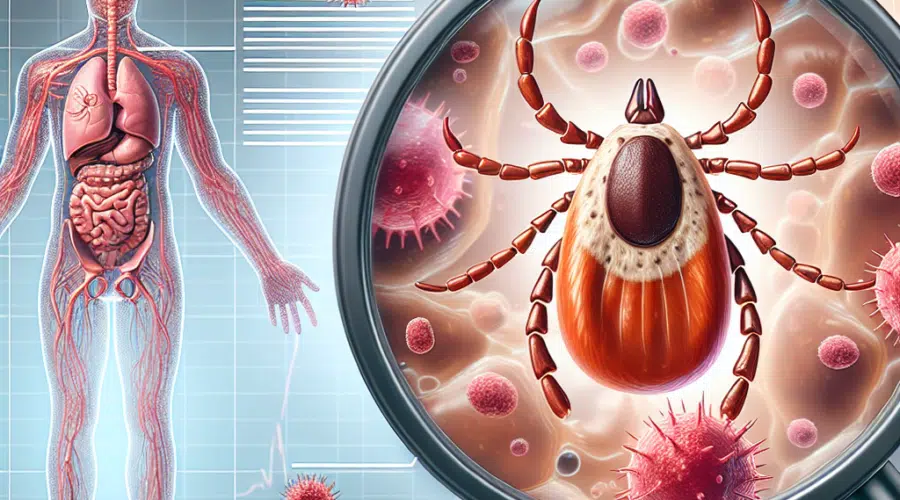
Ticks are more than just a nuisance; they can carry serious diseases that pose significant health risks to both humans and pets. While removing a tick promptly can help reduce these risks, it’s not uncommon for part of the tick, specifically the head or mouthparts, to become embedded in the skin during removal. This article explores what to do if a tick head gets stuck, the potential risks involved, and how to prevent tick bites in the future.
Why Do Ticks Attach?
Ticks attach to their hosts to feed on blood, which is essential for their survival and reproduction. During this process, they can transmit diseases such as Lyme disease, Rocky Mountain spotted fever, and anaplasmosis. Once a tick is discovered, it’s important to remove it as quickly and as safely as possible to minimize the risk of transmission.
Removing a Tick: The Right Method
To fully understand the implications of a tick head getting stuck, it’s important to know how to remove a tick correctly:
- Use Fine-Point Tweezers: Grip the tick as close to the skin’s surface as possible without pinching the skin.
- Pull Upward Steadily: With even pressure, pull the tick straight out without twisting or jerking.
- Clean the Area: After removal, cleanse the bite area and your hands with rubbing alcohol or soap and water.
If part of the tick remains, don’t panic. Here’s how to handle it.
What to Do If a Tick Head Gets Stuck
-
Stay Calm: It can be distressing, but try not to panic. A small fragment of tick body left in the skin doesn’t guarantee infection.
-
Clean the Area: Use rubbing alcohol or soap and water to clean the bite area thoroughly.
-
Assess the Situation: Look for signs or symptoms such as itching, redness, or swelling around the bite site. If you can see the embedded part, try to remove it with sterile tweezers just as you would a tick. If it’s deeply lodged or you’re unsure, it’s best to seek medical advice.
-
Watch for Symptoms: Monitor for any symptoms that arise over the next few days or weeks. The signs of tick-borne diseases can vary; look for fever, rash, fatigue, or muscle aches.
- Consult a Healthcare Provider: If the tick head remains embedded, or if you experience any worrying symptoms, contact your healthcare provider. They can determine the best course of action, which may include removal by a professional.
Understanding the Risks
While a tick’s mouthparts stuck in your skin may be concerning, the primary risk still revolves around the disease the tick may have transmitted prior to being removed. The following points should guide your understanding of potential risks:
-
Increased Risk of Infection: Leaving any part of the tick in the body may lead to localized infections, especially if bacteria from the tick’s mouthparts are introduced into the wound.
-
Disease Transmission: The transmission rate of diseases generally decreases with prompt removal of the tick, but if the tick was attached for more than 24 hours, the risk of disease increases significantly.
- Healthcare Guidance: If there’s a concern about tick-borne diseases, doctors may recommend preventive antibiotics or observe you for symptoms.
Prevention Strategies
Preventing tick bites is the best way to avoid the risks associated with tick removal in the first place. Here are several effective strategies:
-
Wear Protective Clothing: Dress in long sleeves and long pants when venturing into wooded or grassy areas.
-
Use Insect Repellent: Apply an EPA-registered insect repellent that contains DEET, picaridin, or oil of lemon eucalyptus on exposed skin.
-
Check for Ticks Regularly: After spending time outdoors, perform thorough body checks for ticks, especially on hidden areas like behind the ears, underarms, and around the waist.
- Maintain Your Yard: Keep your lawn mowed and remove leaf litter and tall grasses where ticks can thrive.
Conclusion
Encountering a tick is a common experience in many outdoor activities, but knowing how to handle a situation where a tick head gets stuck can help you navigate these scenarios more confidently. By following proper removal techniques, monitoring for symptoms, and utilizing effective preventive measures, you can reduce the risks associated with tick bites and protect your health. If in doubt, always consult with a healthcare professional for the best advice tailored to your situation.