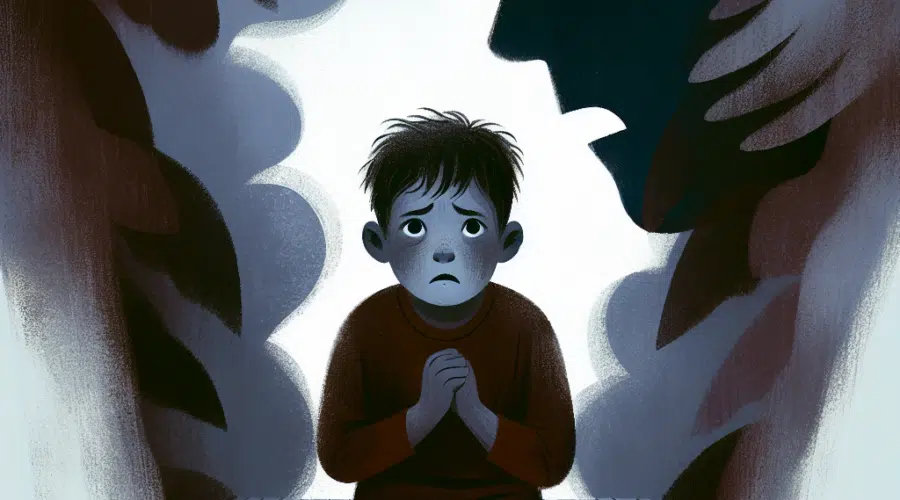
The Hidden Dangers: What Happens When You Yell at Your Child
In the heat of a moment, many parents may find themselves raising their voices out of frustration, impatience, or a desperate bid for attention. However, what often starts as a misunderstanding or a plea for compliance can spiral into an emotional response with long-lasting consequences. Yelling at a child, while often dismissed as a common parenting technique, carries hidden dangers that can impact a child’s mental, emotional, and even physical well-being.
The Immediate Effects of Yelling
When parents yell at their children, the immediate response can be confusing for the child. Young minds are still developing, and they often struggle to process intense emotions. Instead of understanding the reason behind the outburst, children may feel fear, sadness, or anger. This overwhelming emotional response can trigger a fight-or-flight reaction, leading to increased anxiety, withdrawal, or rebellion.
Psychologist Dr. Alan E. Kazdin, a professor of psychology at Yale University, notes that yelling can turn into a cycle of negative behavior. Children who are frequently yelled at may respond with aggression, defiance, or anxiety, which can further escalate parents’ frustration and result in more yelling. Over time, this creates a toxic environment that can stifle healthy communication between parent and child.
Long-Term Psychological Impact
One of the most alarming consequences of yelling is its potential to harm a child’s mental health in the long run. Studies have shown that children exposed to harsh verbal discipline have an increased risk of developing anxiety, depression, and low self-esteem. Children may internalize the messages conveyed through yelling, leading them to believe they are not good enough or deserving of love.
Moreover, chronic verbal abuse can affect a child’s cognitive development. Research indicates that children who endure frequent yelling may experience difficulties in learning and cognitive processing, stemming from the stress and distraction caused by unpredictable anger from caregivers. As social animals, children learn through interaction and observation; thus, a hostile environment can impair their ability to develop healthy relationships.
Effects on Parent-Child Relationships
The relationship between a parent and child is foundational to the child’s overall development. Yelling can erode trust and security in this bond. Children who are frequently yelled at may become fearful of their parents, leading to withdrawal or secrecy, which can hinder open communication.
As children grow, they may also emulate the behaviors they observe. If they see yelling as a means of resolving conflict or expressing frustration, they are more likely to adopt those same strategies in their own relationships. This perpetuates a cycle of unhealthy communication that can extend beyond the family unit into friendships and future family dynamics.
Alternatives to Yelling
Recognizing the dangers of yelling is the first step toward creating a healthier home environment. Parents can adopt alternative strategies that promote understanding and cooperation without resorting to raised voices. Here are some effective methods:
-
Model Calm Behavior: Demonstrating calmness during conflict teaches children how to manage their emotions and respond thoughtfully.
-
Use Time-Outs: Instead of yelling, take a time-out to collect your thoughts. This practice allows both parent and child to cool off and reflect on the situation.
-
Set Clear Expectations: Build a foundation of understanding by discussing rules and expectations ahead of time. This clarity can reduce the likelihood of confrontations.
-
Practice Active Listening: Giving children a chance to express their feelings fosters a sense of validation and respect, which can be essential for resolving conflicts.
- Encourage Open Dialogue: Creating an environment where children feel safe voicing their thoughts establishes trust and nurtures healthy communication.
Conclusion
Yelling may appear to be a quick fix for immediate parenting challenges, but the hidden dangers it poses are significant and profound. It’s essential for parents to understand the long-term impacts that their actions can have on a child’s mental health, self-esteem, and behavior. By adopting alternative approaches to communication and discipline, parents can foster a nurturing environment that promotes emotional resilience and strengthens the parent-child bond. Parenting is undoubtedly challenging, but the rewards of patience and understanding can set the cornerstone for a happier and healthier family dynamic.