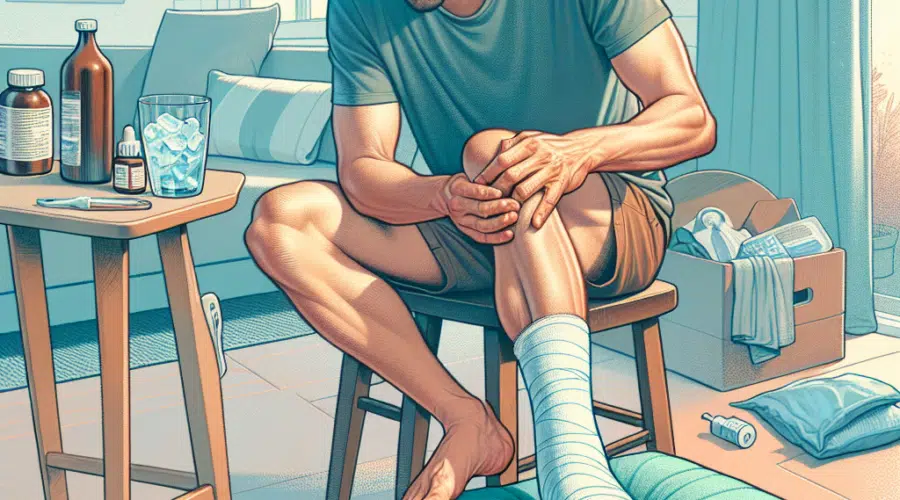
Breaking a bone is an ordeal that can disrupt your life in more ways than one. From the initial shock and pain to the confinement of wearing a cast, the journey can be challenging. However, the road to recovery doesn’t end when the cast comes off. In fact, that’s when the real work begins. Here are essential tips for effective recovery and rehabilitation after a cast to help you regain your strength, mobility, and confidence.
Understanding the Importance of Rehabilitation
When you wear a cast, the affected area undergoes a period of immobilization, which can lead to stiffness, muscle atrophy, and a decline in functional abilities. Rehabilitation is critical to restoring range of motion, strength, and overall functionality.
1. Follow Your Doctor’s Orders
Your healthcare provider will give you specific guidelines tailored to your situation, including:
- Weight Bearing: Understand when it’s safe to start putting weight on your limb. This varies depending on the injury and healing progress.
- Exercises: Follow recommended exercises to gradually regain strength and flexibility.
- Follow-up Appointments: Attend all scheduled appointments to monitor your recovery.
2. Start Gradually
One of the most important aspects of rehabilitation is avoiding the temptation to rush back into activity. Start with simple movements:
- Gentle Stretching: Begin with gentle, passive range-of-motion exercises. This helps to prevent stiffness.
- Isometric Exercises: Engage in isometric exercises that don’t place stress on the healing bone but activate surrounding muscles.
- Gradual Resistance: Slowly introduce resistance as your therapist advises. This can include light weights or resistance bands.
3. Invest in Physical Therapy
Physical therapy can provide valuable personalized guidance for your recovery. A physical therapist will:
- Develop a tailored rehabilitation program based on your injury.
- Use modalities like ultrasound, electrical stimulation, or manual therapy to aid healing.
- Help monitor your progress and adjust the plan as needed.
4. Manage Pain and Discomfort
Post-cast pain or discomfort is common. Here are ways to manage it:
- Cold Therapy: Applying an ice pack can help minimize swelling and alleviate pain.
- Pain Management: Consult your doctor about over-the-counter pain medications or prescribed alternatives.
- Elevation: Keep the affected limb elevated to reduce swelling.
5. Rebuild Strength and Endurance
As your recovery progresses, aim to rebuild both strength and endurance:
- Strength Training: Incorporate light resistance exercises that target the affected areas, gradually increasing intensity.
- Aerobic Exercise: Engage in low-impact cardiovascular activities, such as swimming or cycling, to enhance overall fitness without stressing the healing bone.
6. Practice Balancing and Coordination Exercises
Balance and coordination often take a hit during immobilization. To regain stability:
- Balance Exercises: Try standing on one leg, using a balance board, or performing yoga poses.
- Coordination Drills: Activities such as catching or tossing a ball can help re-establish agility and coordination.
7. Focus on Nutrition
Proper nutrition plays a vital role in recovery. Consider the following dietary tweaks:
- Calcium and Vitamin D: Ensure adequate intake of calcium-rich foods, such as dairy products, leafy greens, and fortified foods, along with vitamin D for better absorption.
- Protein: Protein-rich foods aid in muscle repair and growth, essential for recovery post-cast.
- Hydration: Stay hydrated to promote overall health and healing.
8. Set Realistic Goals
Setting achievable goals can help you stay motivated. Break down your recovery journey into smaller milestones, whether it’s regaining full range of motion, walking unaided, or returning to your favorite sport. Celebrate each accomplishment to keep your spirits high.
9. Listen to Your Body
Understanding your body’s signals is crucial during recovery. If you experience severe pain, increased swelling, or a decrease in mobility, consult your healthcare provider. Pushing through pain can lead to setbacks and prolonged recovery.
Conclusion
Life after the cast is a significant transition that requires patience, dedication, and the right approach to recovery. By following these essential tips, you’ll be well on your way to restoring full function and returning to the activities you love. Remember, recovery is a journey—embrace it!