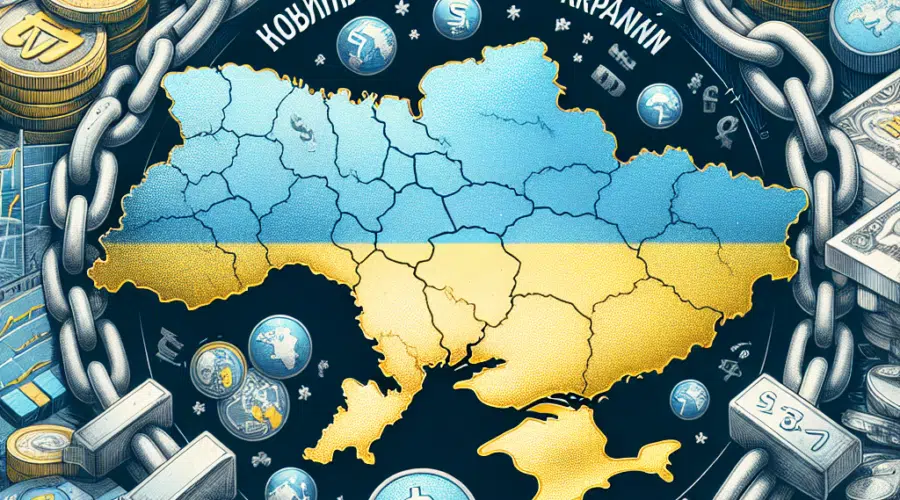
Ukraine’s external debt has become a focal point for economists, policymakers, and international observers amidst the ongoing conflict and geopolitical tensions that have shaped the nation since 2014. As the country navigates a myriad of challenges, understanding the complexities of its external debt is vital for appreciating both the hurdles it faces and the opportunities that may arise.
The Landscape of Ukraine’s External Debt
As of late 2023, Ukraine’s external debt stands at approximately $130 billion, a significant portion of which has been built up due to borrowing to finance budget deficits, state-owned enterprises, military expenditures, and humanitarian relief amid the conflict with Russia. International organizations, such as the International Monetary Fund (IMF), the World Bank, and various bilateral lenders, hold substantial stakes in this debt, which has implications for Ukraine’s economic stabilization and recovery.
Composition of External Debt
The structure of Ukraine’s external debt is diverse, comprising multilateral loans, bonds, and bilateral agreements. Additionally, a significant portion is held by foreign investors, further complicating the landscape. The debt’s composition includes:
- Multilateral Loans: These include assistance from the IMF and the World Bank, crucial for immediate economic relief and reforms.
- Sovereign Bonds: Ukraine has issued bonds to finance its deficit, facing fluctuating investor confidence directly linked to the security situation.
- Bilateral Loans: Financial support from countries, particularly within Europe, has played an essential role in providing short-term liquidity.
Challenges in Managing External Debt
Economic Volatility
The most pressing challenge facing Ukraine is the ongoing war and its profound impact on the economy. Military operations have devastated infrastructure, reduced industrial output, and led to massive internal displacements. Such volatility makes debt servicing increasingly difficult, as revenue streams suffer and foreign investment remains precarious.
Currency Fluctuations
Ukraine’s reliance on foreign currency for servicing its external debt poses additional risks. The depreciation of the Ukrainian hryvnia against major currencies can lead to higher costs for debt repayments, further straining fiscal positions. As stability remains elusive, managing these currency risks is paramount for the government.
Dependence on International Aid
While international financial assistance is crucial for maintaining economic stability, an overreliance on these funds can create vulnerabilities. Conditions attached to aid, such as austerity measures and structural reforms, may not always align with the immediate needs of the population, leading to social unrest and challenges to governance.
Opportunities for Economic Recovery
Despite these challenges, opportunities emerge from the crisis that Ukraine can capitalize on to reshape its economy and enhance its financial standing.
Structural Reforms
The need for economic restructuring presents an opportunity for Ukraine to implement long-overdue reforms aimed at promoting transparency, efficiency, and governance. Initiatives to combat corruption, improve public sector management, and streamline regulations could enhance investor confidence and pave the way for economic revitalization.
International Support and Investment
Ongoing conflicts have attracted substantial international attention, resulting in support packages from global powers and organizations. Ukraine’s strategic geographic location, particularly as a transit hub for energy resources, positions it favorably for increased foreign investment once stability is restored.
Expansion of Export Markets
With the right support and reforms, Ukraine has the potential to diversify its economy and expand into new export markets, particularly in agriculture and technology sectors. Ukraine is one of the largest grain producers in the world, and bolstering agricultural exports could significantly improve foreign currency revenues.
Debt Restructuring Opportunities
The current economic environment opens doors for dialogue on debt restructuring. A coordinated effort between Ukraine’s government and international creditors can lead to more manageable repayment schedules and potentially lower interest rates that align with the country’s economic recovery timeline.
Conclusion
Understanding Ukraine’s external debt is crucial in navigating the fine balance between addressing pressing economic challenges and seizing emerging opportunities for growth. While the complexities are profound, the potential for transformation and recovery exists, contingent on effective governance, international support, and a commitment to structural reforms. As Ukraine continues to forge its path amidst adversity, the insights gained from its debt management strategies will be invaluable for policymakers, investors, and the international community at large.