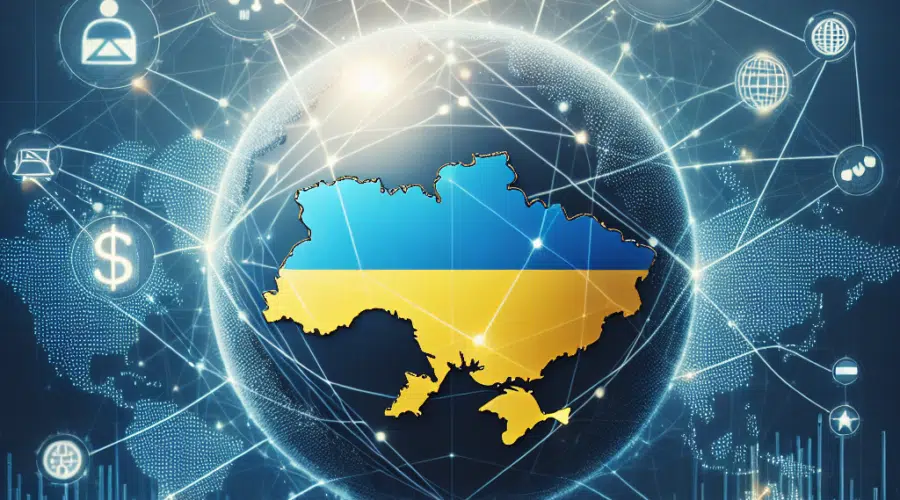
Ukraine, strategically located at the crossroads of Europe and Asia, has historically been an agricultural and industrial powerhouse. The nation boasts rich soil, substantial natural resources, and a highly educated workforce. However, the complexities of global trade dynamics, exacerbated by geopolitical tensions and ongoing reforms, present both significant opportunities and formidable challenges for Ukraine on the international stage.
Opportunities
1. Agricultural Exports
Ukraine is often referred to as the "breadbasket of Europe" due to its vast arable land and favorable climate for agriculture. The country ranks among the world’s top producers of grains, including wheat and corn, alongside significant exports of sunflower oil, barley, and other agricultural commodities. The ongoing global demand for food supply, particularly amidst climate change and geopolitical issues impacting other regions, positions Ukraine to expand its agricultural exports. Initiatives to improve agrarian practices, such as the introduction of smart farming technologies and sustainable practices, could yield further benefits.
2. EU Integration and Trade Agreements
Ukraine has made substantial strides in deepening its economic relationship with the European Union. The Association Agreement signed in 2014, which includes a Deep and Comprehensive Free Trade Area (DCFTA), has opened up new markets for Ukrainian goods and fostered investments. This trajectory aligns with Ukraine’s aspirations for European integration, providing access to one of the world’s largest markets. As reforms continue and trade barriers are reduced, Ukrainian companies stand to benefit from greater market access and increased foreign investments.
3. IT and Tech Sector Growth
The Ukrainian IT sector has emerged as a bright spot in the economy, with a skilled workforce and a rapidly growing tech startup ecosystem. As demand for IT services increases globally, particularly in software development and outsourcing, Ukraine can leverage its competitive advantages. The government’s support for the tech industry, including favorable tax policies and initiatives to foster innovation, could accelerate growth in this sector, making it a key export driver.
4. Renewable Energy Potential
As the global shift towards sustainability accelerates, Ukraine has considerable potential in renewable energy, particularly in wind and solar power. The country is home to some of Europe’s largest wind farms and has seen increasing investments in solar energy projects. By diversifying its energy profile and decreasing reliance on fossil fuels, Ukraine can position itself as a leader in renewable energy production in the region, attracting foreign investments and trade partnerships related to green technologies.
Challenges
1. Geopolitical Tensions
The ongoing conflict with Russia and the territorial disputes over Crimea and eastern Ukraine significantly impact the country’s international trade. Sanctions, trade disruptions, and instability deter foreign investment, complicate supply chains, and increase operational costs. The uncertainty surrounding the geopolitical landscape necessitates a strategic approach to reinforce trade relationships while ensuring national security.
2. Corruption and Bureaucratic Barriers
Despite reforms, corruption remains a significant barrier to trade and investment in Ukraine. The perception of opaque regulatory practices and bureaucratic inefficiencies can hinder foreign investors, affecting market entry and expansion strategies. Effective anti-corruption measures, judicial reforms, and transparent regulatory processes are critical to creating a conducive business environment that can foster trade.
3. Infrastructure Challenges
Ukraine’s infrastructure, particularly in transportation and logistics, requires significant modernization to enhance trade efficiency. Poor roads, outdated rail systems, and insufficient port facilities can increase costs and slow down the movement of goods. Investment in infrastructure improvements is essential to optimize supply chains and enhance competitiveness in both domestic and international markets.
4. Economic Vulnerability
The Ukrainian economy remains susceptible to external shocks, including fluctuations in global commodity prices and economic downturns in key trading partners. The ongoing inflationary pressures, exacerbated by recent conflicts and global economic instability, pose additional risks. Diversification of the economy, along with better fiscal management and strategic planning, is vital for reducing vulnerability and ensuring sustainable growth.
Conclusion
Ukraine’s global trade landscape presents a complex but promising array of opportunities and challenges. The nation stands at a pivotal juncture, with potential for growth in several key sectors, particularly agriculture, technology, and renewable energy. However, the impact of geopolitical tensions, corruption, infrastructure inadequacies, and economic vulnerabilities must be addressed to fully capitalize on these prospects. By implementing strategic reforms and strengthening international partnerships, Ukraine can navigate its trade challenges and emerge as a robust player in the global economy. As the world watches, Ukraine’s journey reflects not only its resilience but also its ambition to reshape its economic destiny on a global scale.