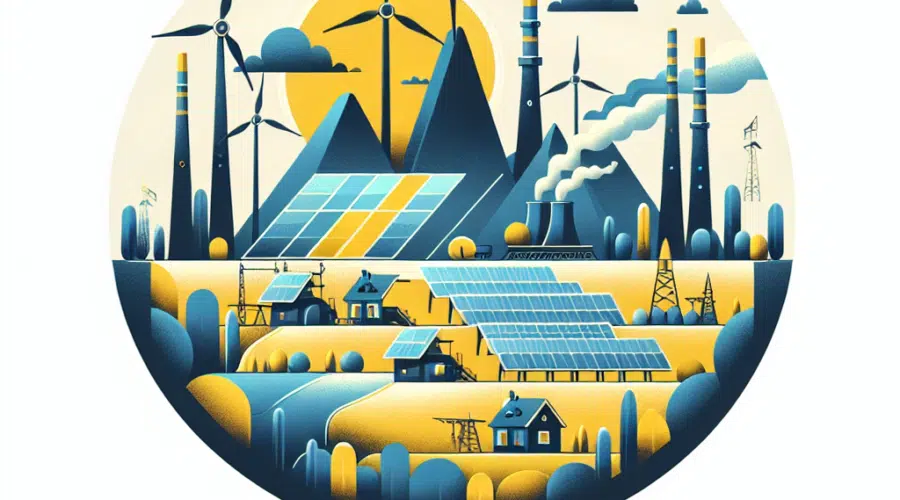
Ukraine stands at a crucial crossroads in its energy landscape, fueled by a desire for sustainability, independence, and resilience. Following years of geopolitical tensions, especially with Russia, combined with the urgent need to address climate change, Ukraine is embarking on a substantial transformation of its energy sector. This transition is not just about increasing energy efficiency or boosting renewable energy sources; it is also a crucial step towards asserting national sovereignty and ensuring energy security.
The Historical Context
Historically, Ukraine has been heavily reliant on fossil fuels, particularly natural gas, much of it imported from Russia. This reliance exposed the nation to economic vulnerabilities and geopolitical pressures, making energy security a paramount concern. The annexation of Crimea in 2014 and the ongoing conflict in Eastern Ukraine underscored the risks associated with dependence on external energy sources. In response, Ukraine has prioritized energy independence, investing in domestic energy production, enhancing energy efficiency, and exploring diverse energy suppliers.
Renewables on the Rise
At the heart of Ukraine’s energy transformation lies a robust commitment to renewable energy sources. The country has abundant natural resources, including wind, solar, and biomass, and significant investments in these areas have surged in recent years. According to the State Agency on Energy Efficiency and Energy Saving of Ukraine, renewable energy accounted for approximately 10% of total electricity generation by 2023, a figure that continues to grow.
The government has implemented a Feed-in Tariff (FiT) system to promote investments in renewable energy projects, leading to the rapid development of wind and solar farms across the nation. Notable projects include the massive solar parks in the southern regions and the establishment of modern wind farms along the Black Sea coast. These initiatives not only contribute to a greener energy mix but also create jobs and stimulate local economies.
Energy Efficiency as a Crucial Component
While renewable energy generation is vital, energy efficiency remains a critical pillar of Ukraine’s energy transformation strategy. The country has one of the highest energy consumption-to-GDP ratios in Europe, indicating substantial room for improvement. The government has initiated programs aimed at modernizing infrastructure, enhancing energy efficiency in buildings, and promoting energy-saving technologies.
Significant strides have been made in residential energy efficiency. Initiatives such as the "Warm Loans" program provide subsidies to homeowners and multi-apartment building associations for improvements like insulation and modern heating systems. These programs not only reduce energy consumption and lower bills but also enhance the overall comfort and quality of living.
Diversification of Energy Sources
To achieve energy independence, Ukraine is committed to diversifying its energy supply and reducing its reliance on imported fossil fuels. Efforts are underway to develop alternative energy sources, including nuclear power, which has long been a cornerstone of Ukraine’s energy mix, producing over half of the nation’s electricity. The country aims to modernize its nuclear facilities to enhance safety and efficiency in response to both domestic energy needs and international safety standards.
Additionally, Ukraine is exploring partnerships to import liquefied natural gas (LNG) from various suppliers, including Europe and the United States, to mitigate risks associated with natural gas supply disruption. The development of regional gas interconnectors and the enhancement of gas storage facilities also bolster energy security.
Challenges and Opportunities Ahead
Despite commendable progress, Ukraine’s energy transformation is fraught with challenges. Corruption, outdated infrastructure, and market volatility pose significant hurdles. Furthermore, sustaining investment in the renewable energy sector amidst global economic uncertainties and changing political landscapes remains a concern.
However, these challenges are accompanied by immense opportunities. As global demand for renewable energy grows, Ukraine has the potential to position itself as a leader in green energy within Europe. The European Union has expressed its support for Ukraine’s energy initiatives, and potential integration into the European energy market could provide access to sustainable investment and technological innovation.
Conclusion
Ukraine’s energy transformation represents a profound shift towards sustainability and independence. By embracing renewable energy and improving energy efficiency, Ukraine is not only addressing its energy security concerns but also taking meaningful steps toward mitigating climate change. This transformation is not merely a national imperative but a regional opportunity with the potential to enhance economic resilience, improve the quality of life for citizens, and contribute to a more sustainable future for Europe.
As Ukraine moves forward on this path, it stands as a testament to the power of resilience, innovation, and the commitment to a greener, more independent energy future. The road ahead may be challenging, but the potential rewards — both economically and environmentally — are immense.